
Selling · Marin County · Last reviewed November 22, 2026
Selling an inherited home in Marin County
Coldwell Banker Realty · Thorne Home Team · Naomi Thorne, CalDRE #01988116 · Katherine Thorne, CalDRE #01988117
Families who inherit a Marin house most often ask us whether to update it, fix a few things or sell it the way it is. One question comes before all of those: who has the authority to sign?
This guide follows the order the decisions actually arrive in. Authority, then the paperwork with deadlines, then the house itself. An estate attorney and a tax professional answer the legal and tax questions. We can help with the house.
First
Whoever signs the listing and the sale has to be able to show their authority. How the home was held decides who that is.
| How the home was held | Who can sell | What to have ready |
|---|---|---|
| In a living trust | The successor trustee named in the trust | The trust document and a certification of trust |
| In the owner's name alone, with or without a will | Usually a personal representative appointed by the probate court | Letters, the court document that names the representative and states full or limited authority |
| In joint tenancy, with a transfer-on-death deed, or with a spouse's right of survivorship | The surviving owner or named beneficiary | The recorded deed and a death certificate. Ask a title officer what else must be recorded. |
Swipe sideways to see the whole table.
If you don't know which row applies, a title company can tell you how the property is held today. Some smaller estates qualify for a simplified court procedure instead of full probate; an estate attorney can tell you whether yours does. For someone who lived in Marin, a probate case is filed with the Marin County Superior Court at the Civic Center in San Rafael.
If the home is in probate
Full or limited authority changes how the sale runs
The court's Letters say which kind of authority the personal representative has. It matters to you and to every buyer.
Full authority
The representative can sell real property without a court hearing. They first send a notice of proposed action to the heirs and others entitled to it, at least 15 days before the sale can go ahead.
If nobody objects, the sale proceeds much like any other. If someone does, it moves under court supervision.
Limited authority
The sale has to be confirmed by the court before title passes. The accepted price must be at least 90 percent of the probate appraisal.
At the hearing, another buyer can outbid the first. The law sets the minimum overbid: 10 percent more on the first $10,000 of the price, and 5 percent more on the remainder. Buyers need to know this before they offer, and the timeline has to allow for the hearing.
Paperwork with dates on it
Three questions for your attorney and tax professional, early
- Who files the Assessor's form, and when? A Change in Ownership Statement for the death of a real property owner (form BOE-502-D) is due to the county Assessor within 150 days of the date of death. In a probate, it's filed no later than the inventory and appraisal.
- How should the home's value at the date of death be documented? For federal income tax, the basis of inherited property is generally its fair market value on the date of death. Basis is the starting figure a later gain or loss is measured from. The exclusion that lets homeowners shelter gain on their own residence depends on having owned and lived in the home yourself, so ask whether it applies to you.
- Will anyone in the family live there? If the plan is to sell, Proposition 19 doesn't come into it. It matters when a child will move in: a child who inherits a parent's principal residence can keep the parent's property-tax base, up to a limit, only by making the home their own principal residence within one year and filing for the homeowners' exemption. For transfers through February 15, 2027, the limit is the home's taxable value plus $1,044,586. The state resets that figure every two years.
California has no inheritance tax. Federal estate tax is a separate question for the estate's attorney or accountant.
Disclosures
Disclosures: "I never lived there" is not the whole answer
California exempts some estate and trust sales from two standard forms, the Transfer Disclosure Statement and the Natural Hazard Disclosure. The exemption covers court-ordered sales and sales by a fiduciary administering a trust or an estate.
It is narrower than it sounds. It does not apply when the trustee of a revocable trust is a person who used to own the home or lived in it during the past year. The same law says it doesn't change the existing obligation to disclose any fact that materially affects the value and desirability of the property. Other disclosure requirements can still apply.
So tell buyers what you do know, and say plainly what you don't. Pre-sale inspections fill the gap for everyone: buyers price the house on reports instead of guesses, and you learn what you're selling.
The house
Clear it, prepare it, or sell it as it is
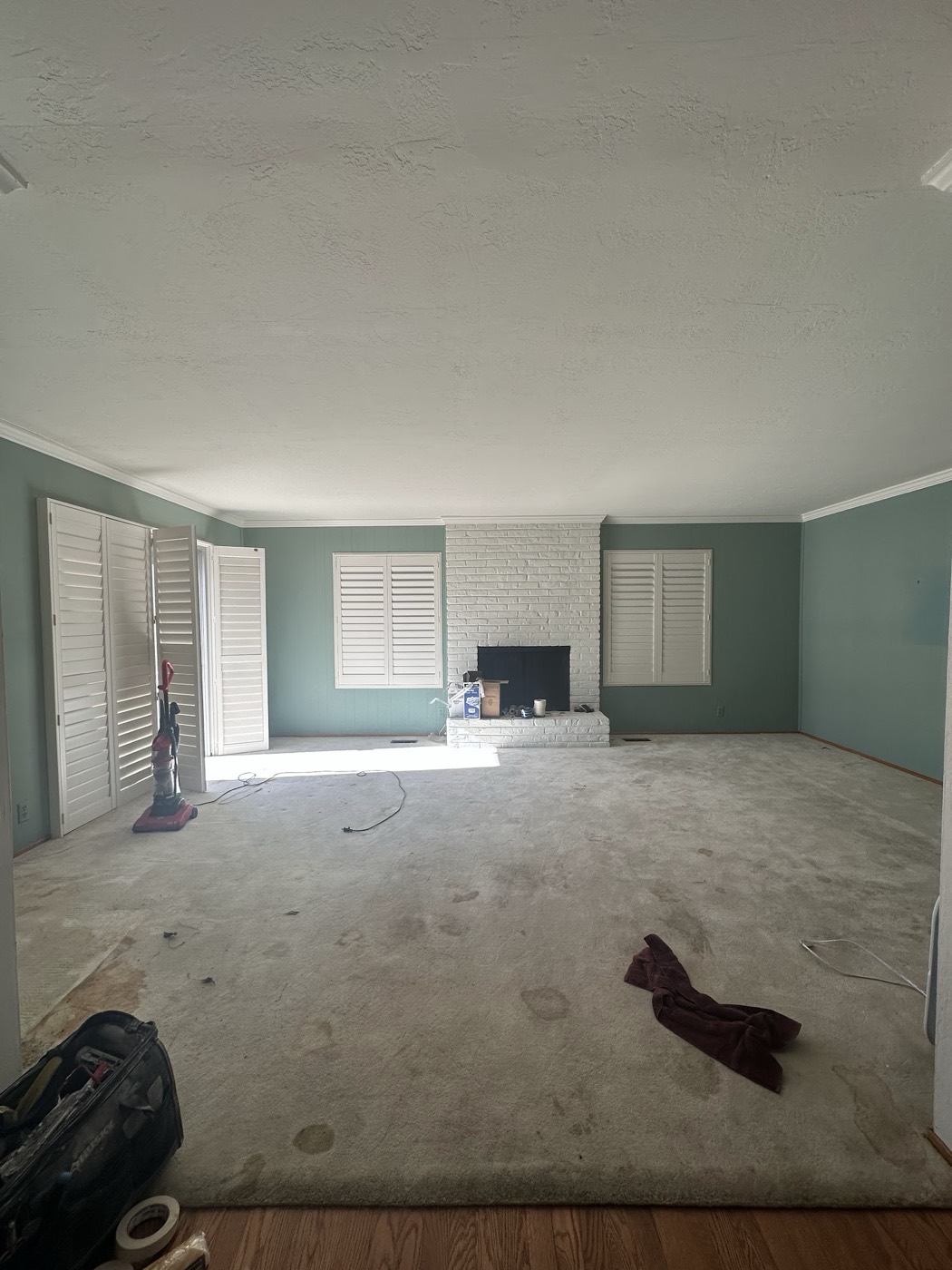
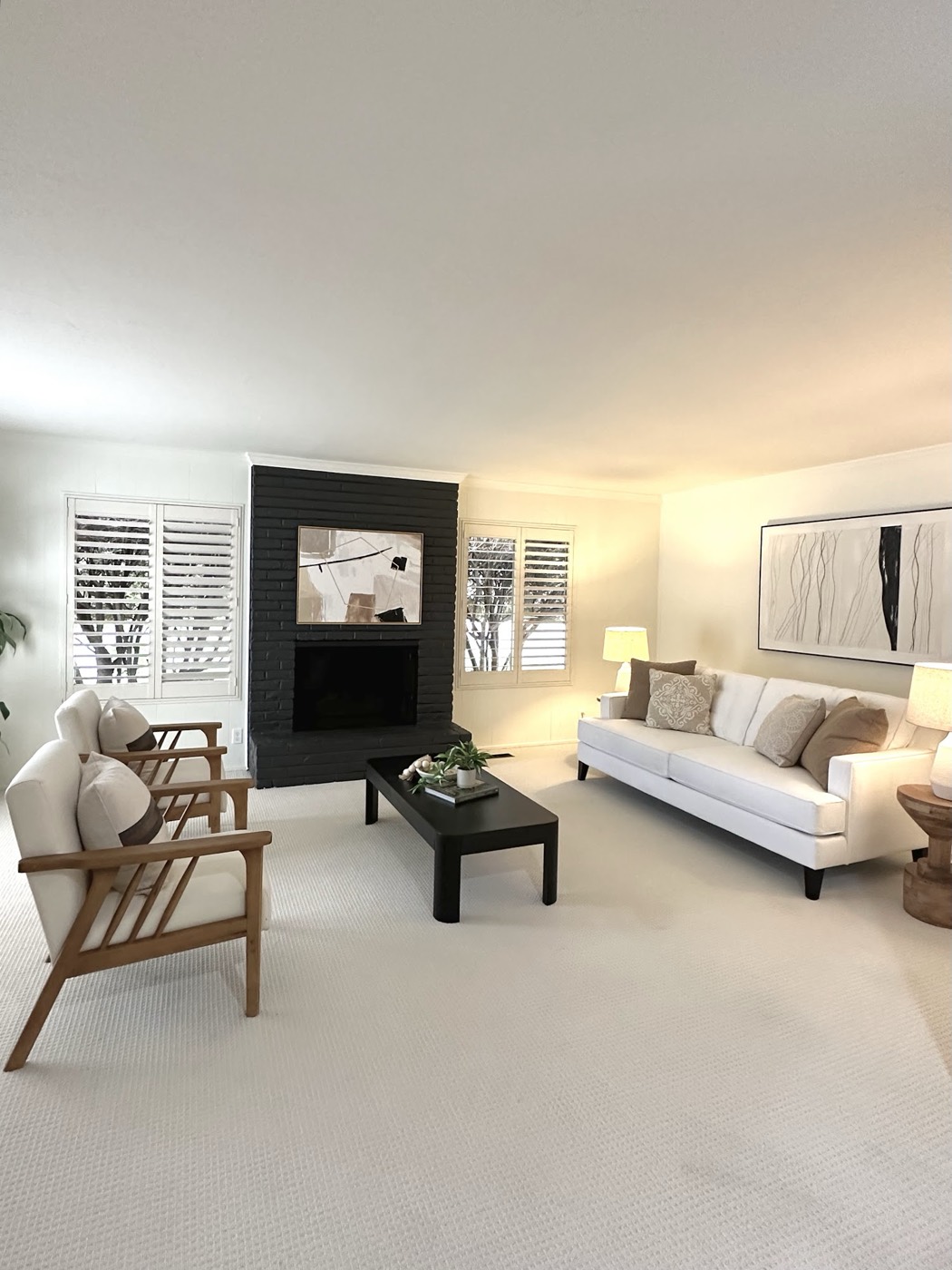
Walk in the way a buyer will. Worn carpet, loud wall colors and a grimy kitchen all read as work, and most buyers would rather not take on work. That doesn't mean a remodel. Fresh paint, new flooring, a deep clean and updated knobs and switches change how an inherited house feels for a fraction of what a renovation costs.
- Agree on one person to make decisions. If several heirs share the house, choose who speaks for the family with the agent, the contractors and escrow. Put in writing what that person may decide alone.
- Take what matters out first. Photographs, papers and keepsakes before any crew arrives. Check drawers and closets for documents the estate will need.
- Dispose of the hard things properly. Old paint, solvents, pesticides and batteries can't go in a dumpster. Residents can drop household hazardous waste at no charge: at 565 Jacoby Street in San Rafael for most of Marin, and at the Novato facility for Novato.
- Decide how far to go. Whether to prepare the house or sell it as it stands comes down to time, money, who will manage the work and what the house is competing with. We cover that decision in renovate, or sell as-is?
We wrote about one of these sales: a Novato home that had belonged to the seller's 99-year-old mother, prepared and staged before it went on the market. Here is its living room before and after. The story is in our post Selling Mom's house: analysis paralysis.
If the home is in San Rafael, Mill Valley, Larkspur, Tiburon, Ross or Belvedere, ask the building department early whether its resale report applies to your sale.
Source notes
Courts, laws and agencies cited in this guide
Authority to sell: California Courts Self-Help Guide, probate; simplified transfers; Marin County Superior Court, decedents' estates and trusts. Probate sales: Probate Code §10511, §10586, §10308, §10309 and §10311.
Taxes: State Board of Equalization Publication 800-9 (change in ownership after a death); Board of Equalization, Proposition 19; IRS Publication 551 (basis); IRS Publication 523 (selling your home); California Tax Service Center. Disclosures: Civil Code §1102.2, §1102.1 and §1103.1. Disposal: Zero Waste Marin, household hazardous waste.
Last fact check: November 22, 2026. This is general real-estate information, not legal or tax advice. Estates differ; a California estate attorney and a tax professional should confirm how these rules apply to yours. The Proposition 19 figure changes on February 16, 2027.
Wherever you are in it
Start with a walk through the house
You don't need the estate settled or the rooms cleared before calling. Tell us the address and where things stand. We'll walk the house with you and help you see what it needs and what it doesn't.
Thorne Home Team · Naomi Thorne, CalRE #01988116 · Katherine Thorne, CalRE #01988117 · Coldwell Banker Realty
