
Selling · Marin County Real Estate
Selling a home in Marin County
A good sale begins before the property reaches the market.
The early decisions-what to fix, what to leave alone, how to
position the home and when to launch-shape everything that
follows.
Naomi and Katherine work with sellers from that first round
of decisions through preparation, marketing, negotiation and
closing, staying close to both the property and the transaction.
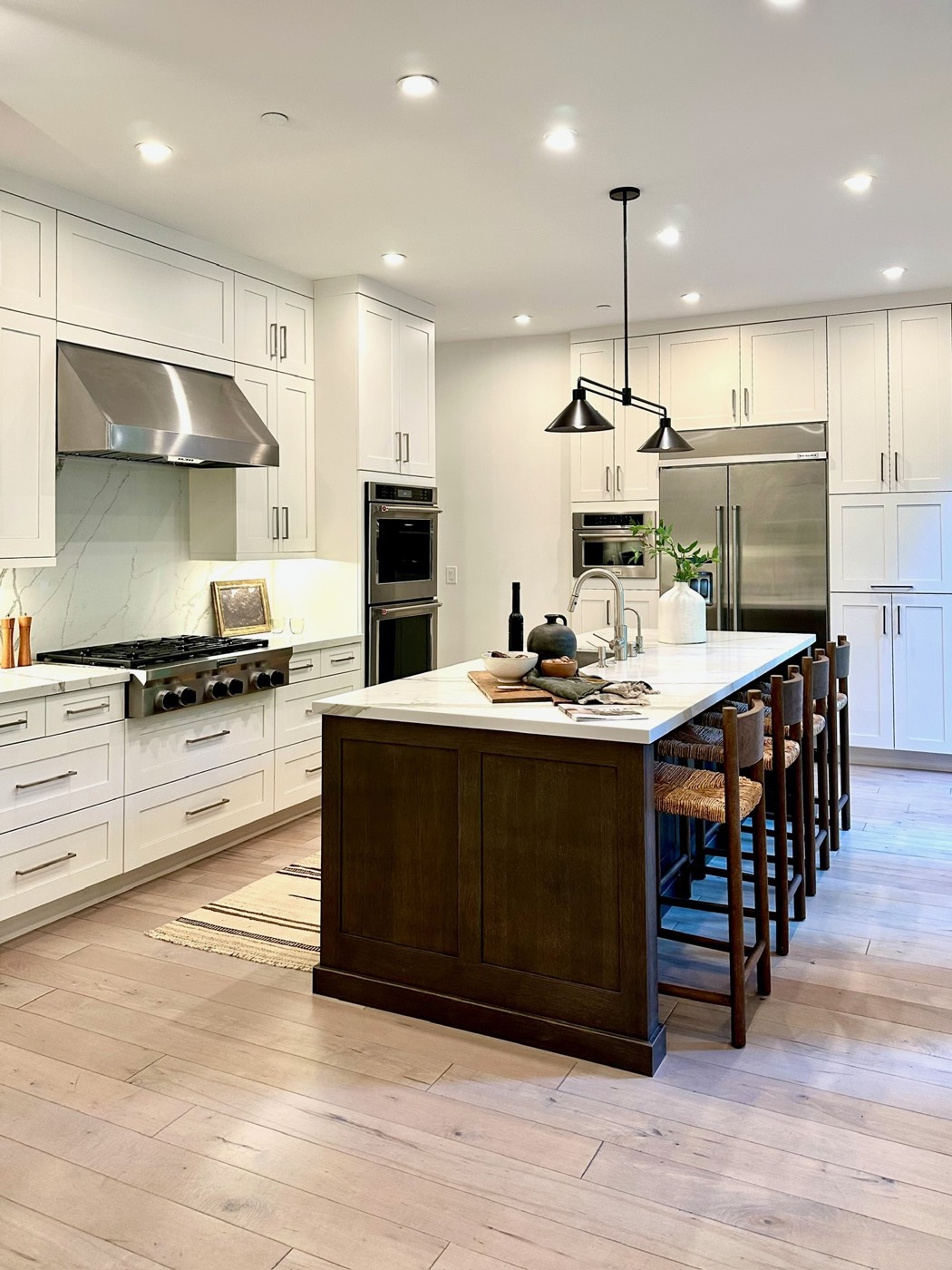
Before preparation
Understand the likely transaction before spending money on the house
Preparation makes more sense when it begins with the likely
market, probable competition and the economics of the sale.
Likely value
Start with the properties buyers will realistically compare
with yours-not simply the closest sale or the highest number
in the neighborhood.
Selling costs
Preparation, transaction expenses and property-specific
closing costs belong in the planning conversation before
the final seller net becomes urgent.
Timing
Your move, preparation schedule and current market conditions
should work together rather than letting a calendar date
dictate every other decision.
Preparation
Do the work that improves the sale-not simply more work
Sellers can lose money by doing too little and by completing
projects that never return their cost.
Hands-on
Seller representation starts with the actual house
Thorne Home Team's established approach has included
helping sellers work through belongings, staging choices,
repairs and the practical coordination required to get a
property ready for market.
Those decisions are easier when someone is looking at the
home as buyers will see it rather than treating preparation
as a generic checklist.
Property-specific
Every house deserves a different preparation plan
An older in-town property, a condominium, a mid-century
home and a larger hillside property can create very
different buyer expectations.
Condition, housing type, past work, site and local
competition should determine which preparation choices
receive attention.
Presentation
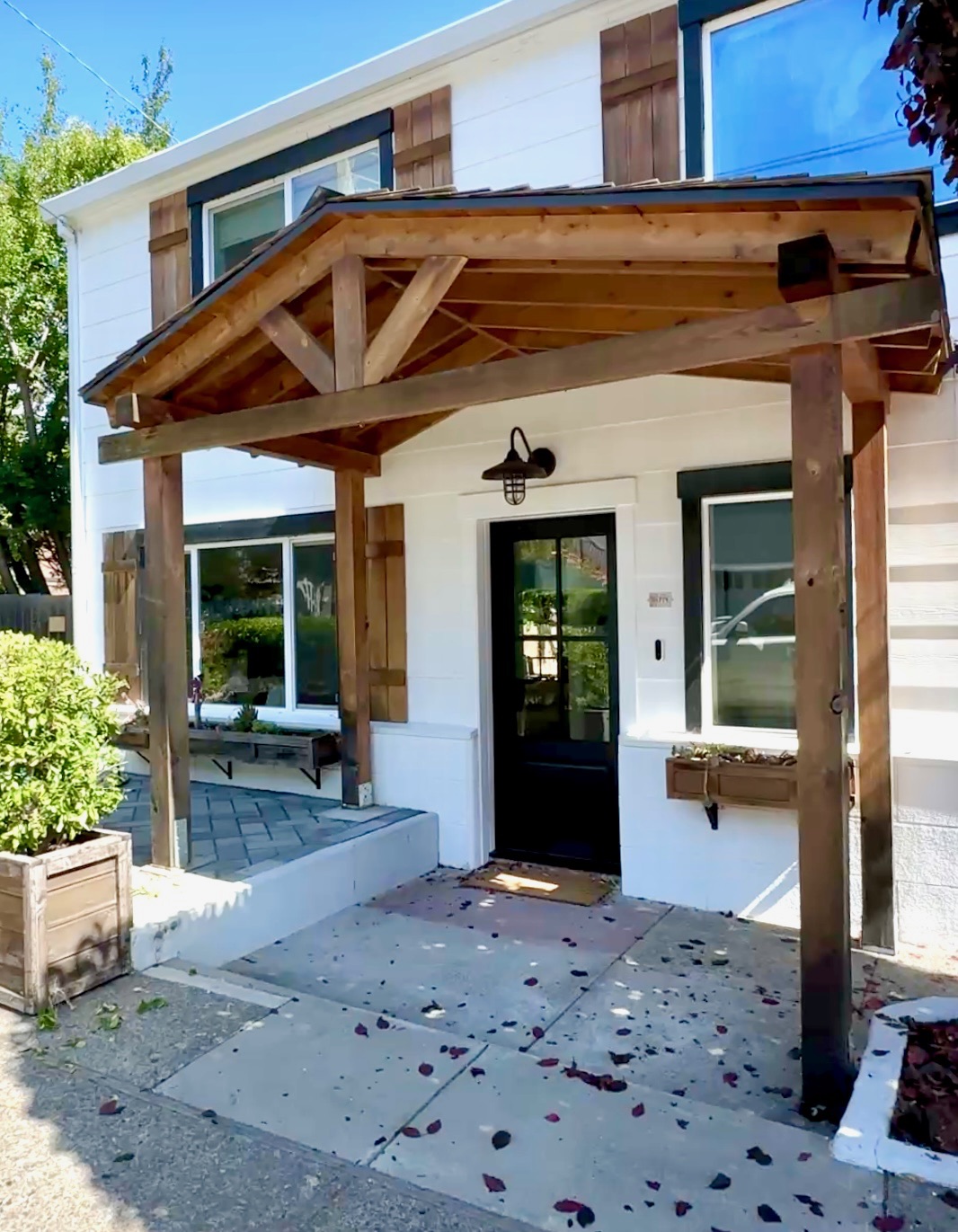
Buyers meet the property before they meet the transaction
The first impression begins before someone reaches the
living room. Exterior condition, entry, landscaping,
lighting and the transition into the house all contribute
to how the property is read.
Inside, staging and photography should make layout,
condition and architectural strengths easier to understand
rather than trying to turn the property into something it
is not.
A coherent presentation helps buyers focus on the house
instead of trying to make sense of avoidable distractions.
Before market
Presentation and disclosure need to tell the same story
Strong presentation should make the property easier to
understand, not disguise the questions a buyer will
eventually need to evaluate.
Know what is there
Gather the property history, available records and known
information early enough that they can inform the sale.
Address avoidable surprises
Preparation is most useful when it reduces uncertainty
that would otherwise surface after buyers are already
evaluating the home.
Keep the presentation credible
Photography, staging and written marketing should help
buyers understand the property rather than promise a
version of it that does not survive closer inspection.
Positioning
The market does not compare every nearby house equally
Pricing and positioning become much clearer once the home's
real competition is defined.
Housing type
Buyers may value an older home, condominium, ranch house
or hillside property differently even when the addresses
are close together.
Condition
Renovated and project-oriented properties can attract
overlapping buyers while still requiring very different
price expectations.
Setting
Lot, terrain, exposure, street pattern and neighborhood
context can materially affect which alternatives a buyer
considers comparable.
From house to market
The launch should be the end of preparation, not the beginning
By the time buyers first encounter the listing, the major
property, presentation and positioning decisions should
already be working together.
-
Understand
Establish the property's condition, likely competition,
seller priorities and transaction constraints. -
Prepare
Complete the work that improves presentation or reduces
avoidable buyer concern. -
Position
Set pricing and marketing in the context of the alternatives
buyers are actually considering. -
Present
Bring photography, staging, property information and the
listing narrative into one coherent presentation. -
Negotiate
Evaluate buyer interest and offers by the complete
transaction rather than a single headline number.
Offer review
The highest number is not the whole offer
Price matters, but sellers also need to understand the terms,
timing and uncertainties attached to the transaction.
Price
Start with the economics, including the difference between
the headline price and the likely seller net.
Terms
Contingencies, timing and other conditions can change the
practical meaning of two otherwise similar offers.
Execution
Financing structure, deadlines and the path to closing
matter when evaluating how the transaction is likely
to proceed.
Local context
Marin is not one seller market
Housing stock, terrain, buyer expectations and the available
alternatives can change materially within a short drive.
San Rafael
Several residential settings inside one city mean the
relevant comparable market often needs to be defined
more narrowly than the city boundary.
Novato
The broad range of property types, lot sizes and settings
makes the actual competitive set especially important.
Across Marin
The countywide view helps explain where a property sits
among the alternatives buyers may consider.
Thorne Home Team
Two people staying close to the property and the transaction
Naomi and Katherine work together from preparation through
closing so the property history, seller priorities and
transaction strategy remain shared.
Common questions
Questions sellers ask us most
Short answers to the inspection and cost questions that come up on almost every Marin sale.
Do I need a fire inspection to sell my home in Marin?
It depends on where the home is. Under California law (AB 38, Civil Code §1102.19), when a home in a High or Very High Fire Hazard Severity Zone is sold, the seller must provide documentation that the property meets defensible-space requirements, or the buyer and seller can agree that the buyer will bring it into compliance after closing.
Some Marin fire agencies also require their own resale inspection. Ross Valley Fire requires one for single-family homes in Ross and Fairfax (no longer in San Anselmo). Central Marin Fire requires one for homes in the wildland-urban interface areas of Larkspur and Corte Madera. Kentfield Fire provides the state-required evaluation for homes in High or Very High zones, and San Rafael Fire runs AB 38 inspections for homes in its zones. Schedule the inspection early, because corrections can take time.
Do I need a sewer lateral inspection before closing?
In some parts of Marin, yes. The rules are set by the sanitary district that serves the property, not by the town, so two homes a few streets apart can have different requirements. Ross Valley Sanitary District, for example, requires a Certificate of Compliance for the private sewer lateral whenever a property is bought or sold.
Ask the district early. If the lateral fails inspection, repair or replacement may need to happen before or soon after closing, and it can affect your timeline and negotiations.
What transfer taxes apply when I sell in Marin?
Marin County charges a documentary transfer tax of $1.10 per $1,000 of the sale price ($0.55 per $500). In San Rafael, a charter city, the city adds $2 per $1,000. Measure W on the November 3, 2026 ballot would raise San Rafael's rate to $10 per $1,000 if it passes.
Who pays transfer tax is part of the contract. See our San Rafael transfer tax and Measure W guide.
Last reviewed: October 8, 2026. Rules and amounts change; confirm current requirements with the agency named in each answer.
Start before the listing date
Tell us what you are considering
You do not need the house cleaned out, repaired or staged
before reaching out. It is often more useful to look at
the property before those decisions have already been made.
Thorne Home Team · Naomi Thorne, CalRE #01988116 ·
Katherine Thorne, CalRE #01988117 · Coldwell Banker Realty
