
Sellers · Before market
Preparing your home for sale
The goal is not to renovate everything. It is to make the
property easier to understand, reduce avoidable buyer concern
and spend effort where it can actually improve the sale.
The best preparation plan starts with the house as it is:
its condition, its likely competition, the buyers most likely
to consider it and the time available before market.
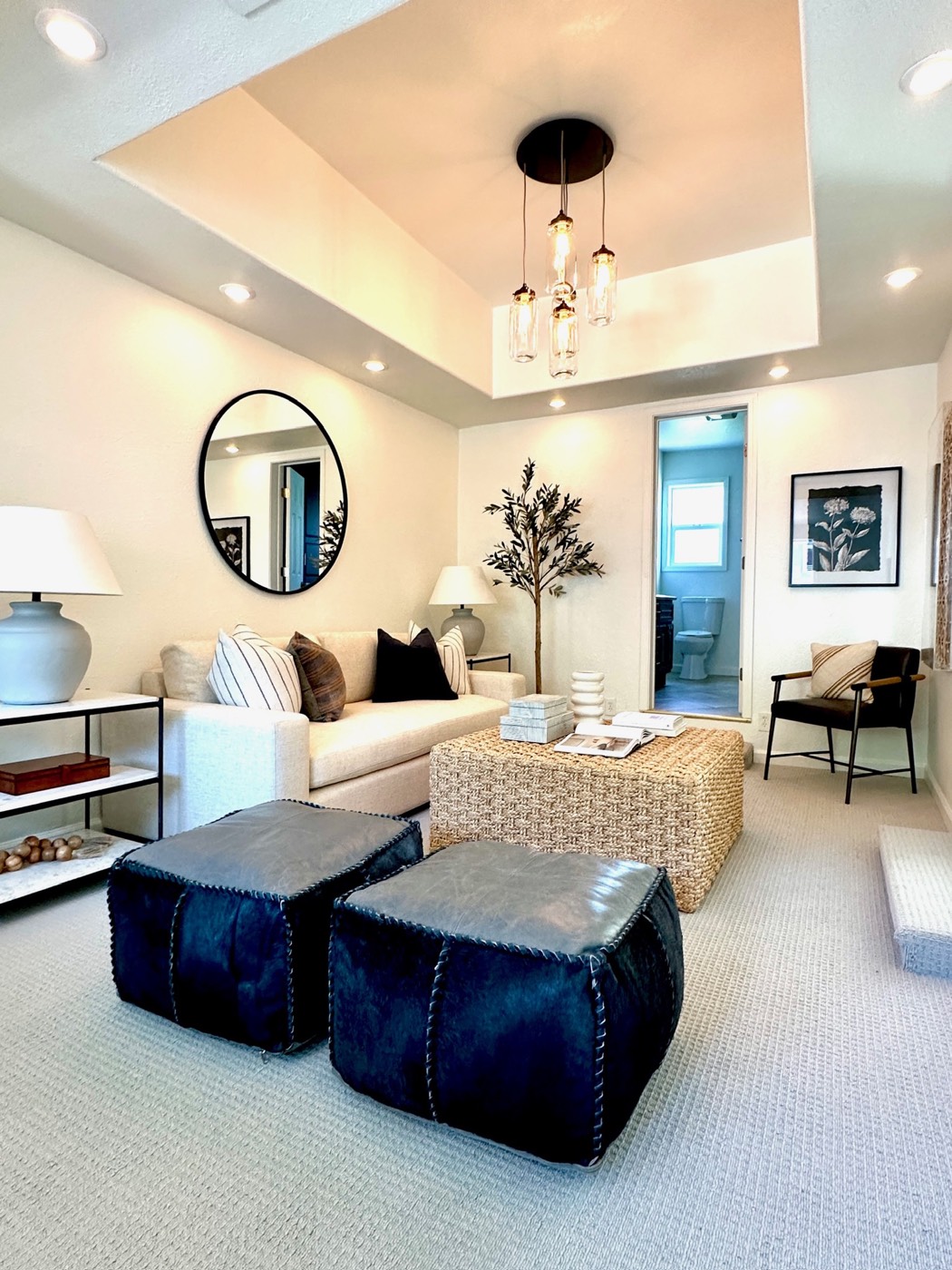
First principle
Do not start spending before you know what matters
Sellers can lose money by doing too little-and by completing
projects buyers never value enough to repay.
Start with the property
Walk the house before making the project list
The first pass should identify what buyers are likely to
notice, what may create uncertainty and what is simply a
normal part of the home's age or character.
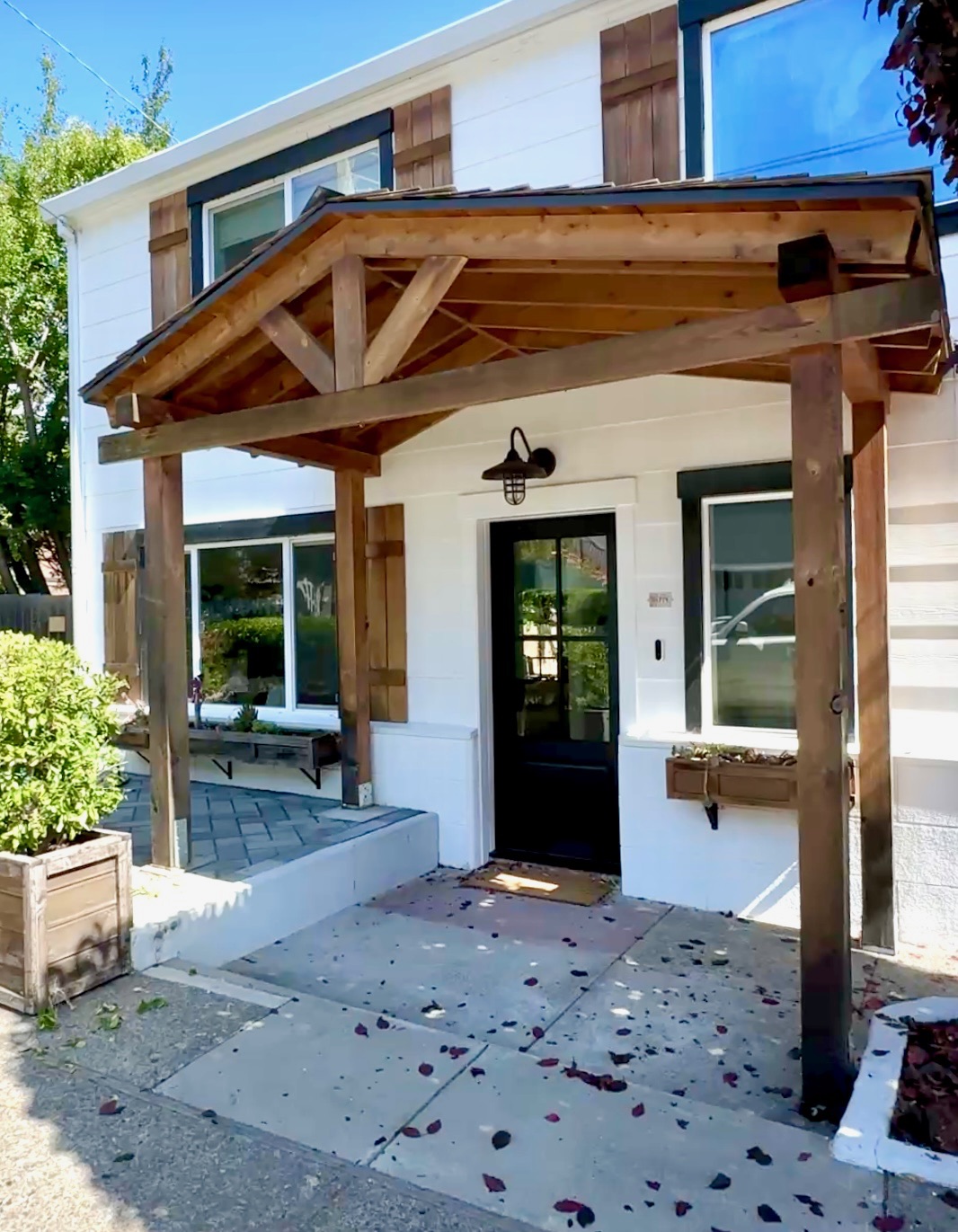
That starts before someone enters the living room. Entry
condition, exterior maintenance, lighting, landscaping
and the approach to the house all contribute to the first
read of the property.
The goal is not perfection. It is deciding which visible
conditions deserve attention before buyers begin forming
their own assumptions.
What buyers notice
Small signals can change how buyers read the whole house
Buyers rarely evaluate visible details in isolation. They
use them to form an opinion about how the property has been
maintained overall.
First impressions
Entry, paint, lighting, flooring, cleanliness and obvious
maintenance issues shape the first few minutes in the house.
Deferred maintenance
Small signs of neglect can create larger questions.
Decide which items deserve attention before buyers begin
building their own repair assumptions.
Property character
Not every dated finish is a problem. Some homes are better
served by being clean, coherent and honestly presented
than by receiving a rushed cosmetic makeover.
Repairs
Prioritize the work that reduces friction
The most useful repair is not necessarily the most visible
or the most expensive one.
Repair what looks unfinished
Incomplete work can create uncertainty beyond the actual
cost of finishing it.
Address obvious maintenance
Straightforward maintenance items are often worth resolving
before they become part of a buyer's larger narrative about
the property.
Investigate before overreacting
If something may represent a larger condition issue,
understand it first. Cosmetic work should not substitute
for knowing what is actually happening.
Cosmetic work
Aim for clarity, not a personality transplant
Cosmetic preparation works best when it helps buyers see
the space, condition and architecture more clearly.
Paint
Fresh paint can be useful when wear, patching or strong
visual inconsistency is distracting from the house.
It does not mean every surface automatically needs it.
Lighting
Working fixtures, appropriate bulbs and a coherent
lighting environment can improve how rooms read without
turning the house into a remodeling project.
Editing
Reducing visual clutter can make circulation, storage and
room scale easier to understand without stripping the
property of all evidence that people actually live there.
Staging
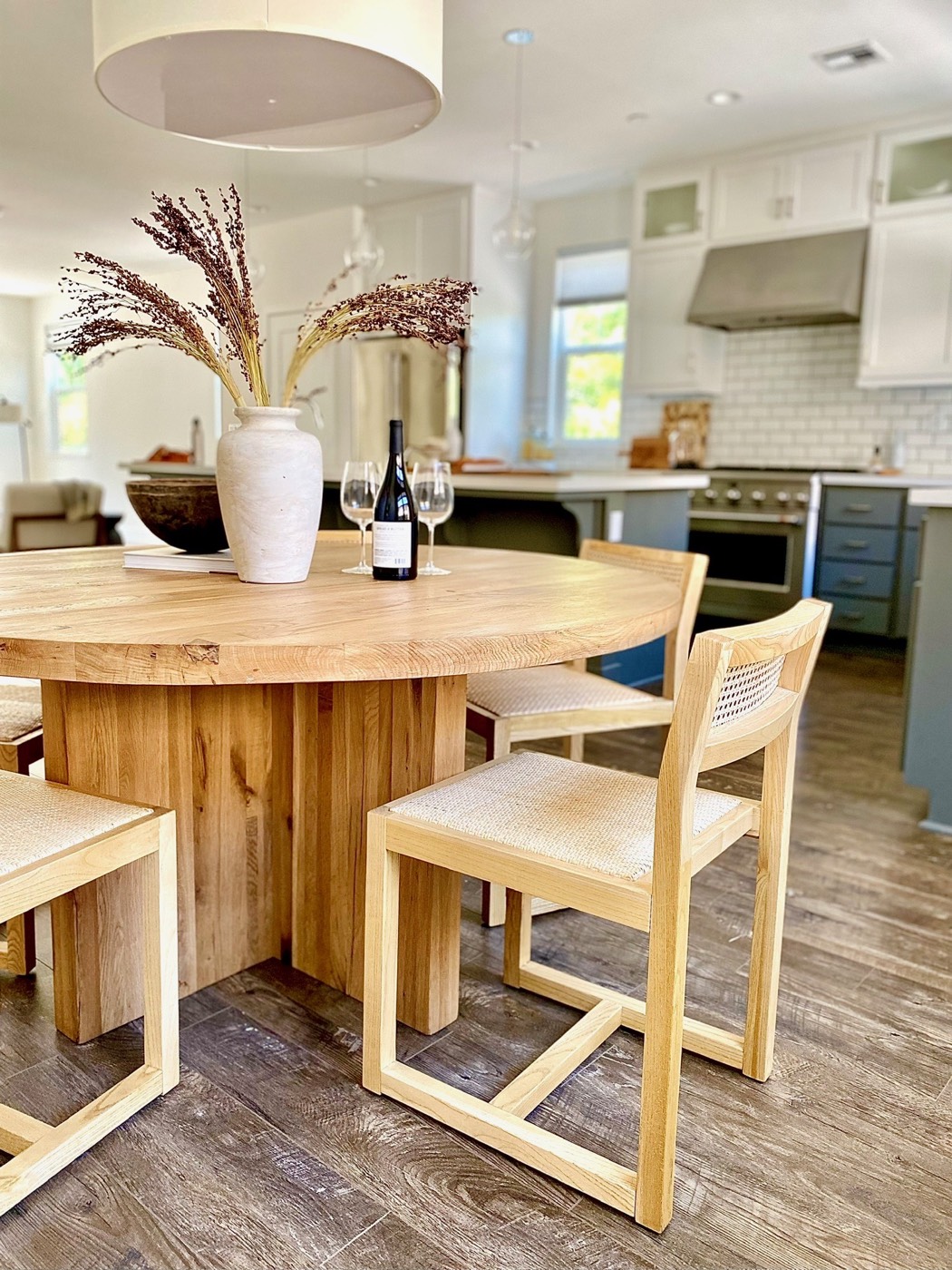
Staging should explain the space
The purpose of staging is not to turn every property into
the same aspirational interior.
It should help buyers understand scale, circulation and
how rooms relate to each other.
Furniture placement is especially useful when it answers
a question: where dining happens, how people move through
the room, whether an awkward area has a useful purpose or
how two open spaces work together.
Occupied homes
You do not have to erase your life
An occupied home can still present clearly. The useful
question is what should remain, what should move and what
is making the rooms harder to understand.
Thorne Home Team's established seller work has included
helping clients sort through belongings and staging
decisions as part of the preparation process.
Restraint matters
Know when to stop improving
Preparing for sale is different from improving a home for
another ten years of ownership.
Avoid speculative remodeling
Major projects introduce cost, schedule and taste risk.
They deserve a clear market reason rather than the vague
belief that newer is always better.
Do not chase perfection
Buyers will still inspect the house. The goal is a
credible, well-presented property-not the illusion that
nothing will ever need attention.
Protect the launch date
A marginal improvement can become expensive if it delays
the entire preparation sequence or creates another project
behind it.
The order matters
Prepare in a sequence that avoids doing work twice
-
Walk the property
Identify condition, maintenance, presentation and
property-specific questions before creating the work list. -
Prioritize
Separate necessary repairs, useful improvements and
projects that do not justify their cost or delay. -
Complete messy work
Repairs, painting and other disruptive tasks generally
belong before final cleaning, styling and photography. -
Edit & stage
Clarify rooms, circulation and storage after the property
work is substantially complete. -
Clean & photograph
The final presentation should document the finished
preparation rather than becoming another round of fixes.
Property-specific planning
Different Marin homes need different preparation
Housing stock, terrain and buyer expectations can change
materially across Marin.
Older homes
Character and age do not need to disappear. Focus instead
on condition, coherence and the issues buyers are likely
to investigate more closely.
Mid-century homes
Architecture can be an asset when the preparation respects
the house rather than covering its defining features with
generic updates.
Hillside & larger properties
Exterior condition, access, drainage, vegetation and site
presentation may deserve as much attention as the rooms
inside.
After preparation
Preparation is only one part of the sale
Once the property is ready, pricing, positioning,
presentation, launch strategy and offer evaluation still
need to work together.
Local context
The competing properties matter
Preparation should respond to what buyers expect from this
kind of home in this part of Marin-not a universal list
borrowed from somewhere else.
Before you start
Let us see the house before you make the project list
You do not need to clean, repair, paint or declutter before
reaching out. The earlier walkthrough is often the one that
prevents unnecessary work.
Thorne Home Team · Naomi Thorne, CalRE #01988116 ·
Katherine Thorne, CalRE #01988117 · Coldwell Banker Realty
