
 Facebook
 X
 Pinterest
 Copy Link
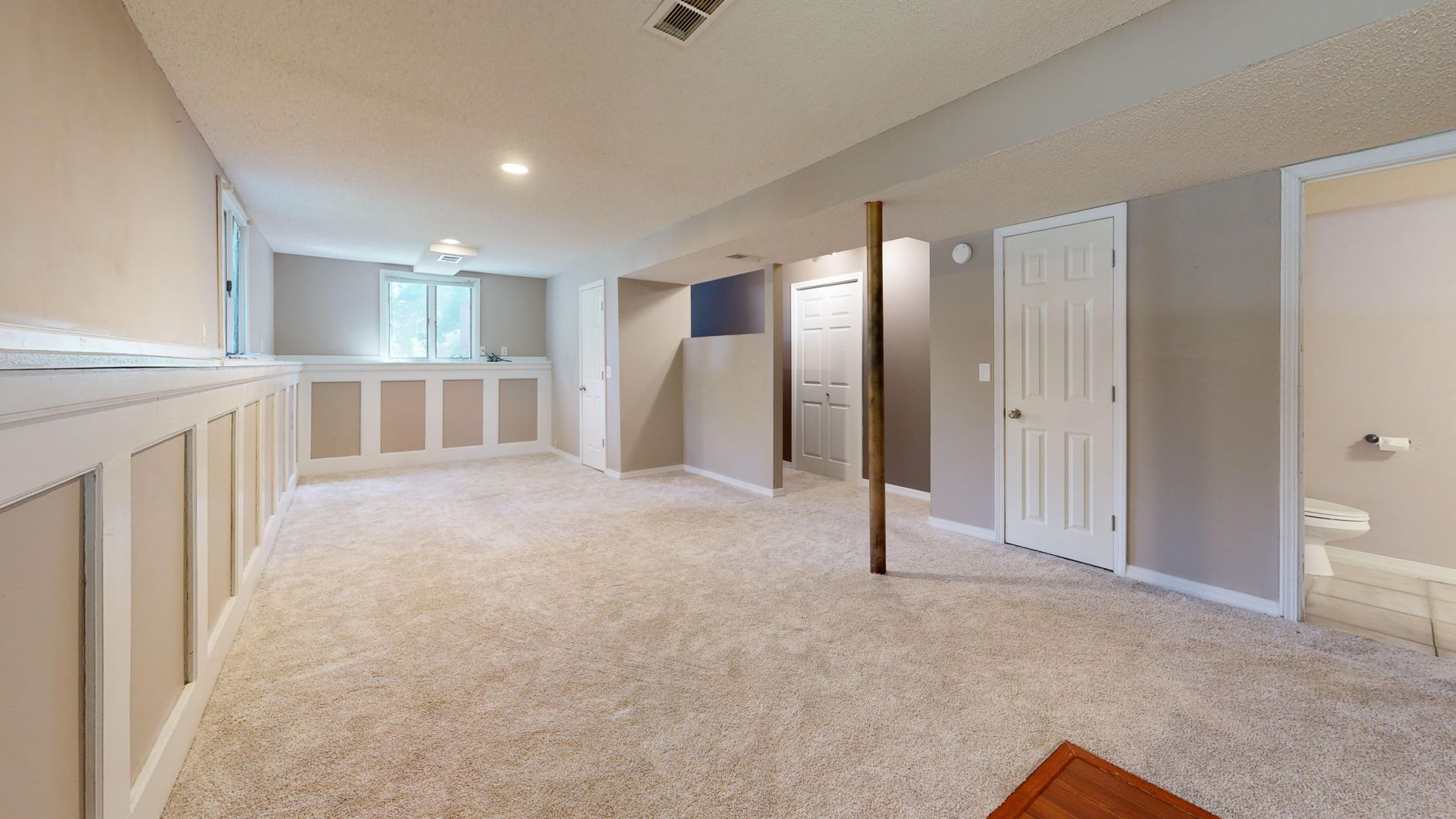
Fix the worst flaw! Adding square footage and renovating kitchens and baths are among the best returns on investment. But you can do all of that and still have one glaring issue that makes your house hard to sell.
Expensive renovations may raise the value on paper, but if the house’s biggest problem is still there, you can end up with a slow sale and several price reductions. So what’s the point?
Start with the problem buyers will notice first
Say you bought your starter home on the corner of a busy street. That’s what you could afford, and you loved the house. You could add a primary suite and renovate the kitchen top to bottom, and buyers would still cross it off their list because of that street.
So address the biggest flaw first: in this case, road noise and privacy. Maybe the money is best spent on the tallest fence your local rules allow, or on fast-growing plantings that create a hidden-oasis effect. You want buyers to say, “It’s on a busy street, but you can’t even tell once you’re inside.” Make it easy for them to decide the flaw doesn’t matter.
Remember what bothered you when you bought
Even if the worst flaw no longer bothers you, think back to when you bought the house. What was its worst feature? That should be your first order of business. Only one bathroom? Adding a second can make a big difference in sale price and cut your time on the market dramatically.
Partial fixes still count
If you can’t fully solve the problem, even partly addressing it usually helps. If the house sits on a steep hillside with a tricky driveway, maybe you can make it easier to turn around at the top, have a contractor soften the initial slope, or add signage in the right spot. You want buyers to say “that wasn’t so bad,” not “I could never live like this every day.”
Next step: our guide to preparing your home for sale explains which projects tend to pay off and which to leave alone.
